Tag Archive for: broadcasting

Breaking into media can be exciting… and honestly, it can be humbling.

If you’re thinking about enrolling and imagining the first job will be a big title, a big salary, and a big break, here’s the straight truth:

Most media careers don’t start that way.

They start with entry-level roles, early gigs, learning on the fly, building a reel, meeting people, taking feedback, showing up again, and proving you can do the work. That’s not a flaw in the system, it’s the way creative industries have always worked.

Let’s be clear about what CSB is (and what it isn’t)

At CSB Media Arts Center, our training is built for real-world, practical skills. We’re here to help you learn the tools, the workflow, the expectations, and the habits that make professionals employable.

But we’re also not here to sell a fantasy.

We don’t promise that a certificate automatically equals a dream job. We don’t promise you’ll skip the entry level. And we don’t promise that you won’t have to work hard to earn your place.

For more than 60+ years, CSB has trained students in the practical skills media employers expect. While no credential can guarantee a specific job outcome, CSB is a known training ground, and many employers recognize the hands-on preparation our graduates bring.

What we do promise is this: you’ll leave with skills you can use, a clearer understanding of how the industry works, and support to help you keep improving.

Entry-level is not an insult, it’s a starting line

In media, “entry-level” often means:

  • You’re learning the pace and standards of professional work
  • You’re gaining real credits, reps, and reliability
  • You’re building a network that will lead to your next opportunity
  • You’re creating portfolio pieces that actually get you hired

It’s not glamorous. Sometimes it’s not convenient. Sometimes it’s not local. Sometimes the pay is modest at first.

And still, it’s the door into the industry.

“You get out of it what you put into it” is true… but let’s expand it

This phrase gets tossed around a lot, so let’s make it real.

If you want the career, you need more than completion, you need momentum. Momentum comes from:

  • practice
  • repetition
  • feedback
  • consistency
  • resilience when a “no” shows up

Talent is great. Skills are better. Consistency beats both.

A story we see all the time: the pivot from frustration to forward motion

Sometimes a graduate expects the first opportunity to be bigger, faster, and closer to home.

Then reality hits:

  • entry-level jobs can be low paying at first
  • the good roles are competitive
  • you may have to travel or take odd hours
  • creativity sometimes starts with executing someone else’s vision

And that’s when an important fork appears:

You can stop… or you can build.

Many graduates build through:

  • freelance gigs
  • portfolio projects
  • small business clients
  • assistant roles
  • community partnerships
  • “yes” opportunities that become paid opportunities later

That’s not “settling.” That’s strategy.

The 3 paths most CSB grads take

There isn’t only one route to success. Most graduates fall into one (or a mix) of these paths:

Path 1: The Entry-Level Job Path

You take the starter job, learn how professionals operate, and level up fast.
Best for: people who want structure, mentorship, and steady experience.

Path 2: The Freelance + Portfolio Path

You build your reel one client and one project at a time.
Best for: self-starters who want flexibility and are willing to hustle.

Path 3: The Entrepreneur Path

You build a business, video production, photography, content creation, social media, podcasting, or a hybrid.
Best for: creative independence, client relationships, and long-term ownership.

All three are valid. All three can lead to strong careers.

What we want every graduate to know

Here’s what we hope students understand before graduation day:

  • You don’t need permission to begin.
  • The first job isn’t the finish line. It’s proof you’re in the game.
  • Careers are built through body of work, not a single moment.
  • If you keep creating, keep learning, and keep showing up, you will separate yourself.

And if you need support? We mean it when we say: you can come back for the life of the school. Our goal is not just to train you, it’s to help you grow.

If you’re serious about a media career, do these 5 things

This is the difference-maker list:

  1. Build a portfolio that shows range
    (Not everything you’ve ever done, your strongest work.)
  2. Get on a real shoot or project weekly
    Even if it’s a small role. Momentum matters.
  3. Treat feedback like fuel
    Take notes. Improve. Repeat.
  4. Network like a professional
    Relationships are currency in media.
  5. Stay in the game long enough to win
    Perseverance is not optional, it’s the strategy.

Final straight talk (with love)

If you want a creative career, the “start small” phase isn’t something to fear. It’s the phase that builds the person who can handle the bigger opportunities when they arrive.

CSB Media Arts Center is where media careers begin. We’ll give you the skills. What you build with them is where the story gets good.

Want to see what training looks like? Schedule a tour, or virtual information session.

financial costs

For decades, a four-year college degree was treated like the default “next step.” But across the country, families are starting to ask a different question:

Is this path worth the time and the cost—especially if it doesn’t lead to real job skills?

A recent national poll captured just how much the conversation has shifted. Nearly two-thirds of registered voters (63%) said a four-year degree is not worth the cost, largely because graduates often leave without specific job skills and with significant debt. Only 33% said it’s worth it for long-term earnings and opportunity. 

That doesn’t mean “college is bad.” It means families want options that feel practical, skill-based, and financially responsible.

And that’s exactly where CSB Media Arts Center fits in.

Why Families Are Rethinking the Traditional Route

Let’s be real: the goal hasn’t changed. Parents still want their kids to be stable, confident, employable, and proud of what they do.

What’s changing is the willingness to accept:

  • Big costs without clear outcomes
  • Four (or more) years before entering the workforce
  • Graduating without hands-on, job-ready skills

In separate research, Pew has also found major skepticism—especially when student loans are required. A relatively small share of adults say a four-year degree is “worth it” if it means taking on debt.

Families are essentially saying: “Show me the skills. Show me the path.”

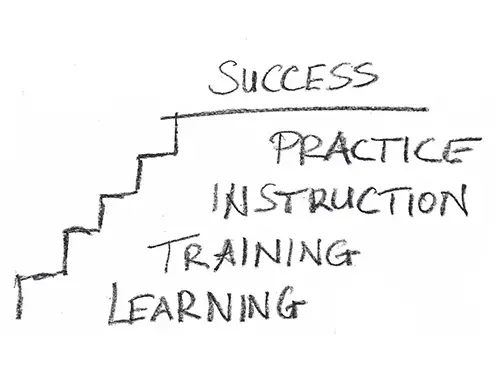
successful career path

CSB Was Built for This Moment

CSB Media Arts Center, home to Connecticut School of Broadcasting, is designed around what people are asking for now:

1) Skills-first training (not theory-first learning)

At CSB, the focus is on building real, practical abilities, so students leave with marketable skills, not just completed credits.

2) Career-focused programs that don’t require “years and years”

Not everyone thrives in lecture halls and semesters. Many students learn best by doing, creating, producing, editing, writing, presenting, building.

CSB is made for hands-on learners who want momentum.

3) A smarter financial path

When families question ROI, they’re asking for a lower-risk way to move forward. CSB offers a path where students can train for a career in media without automatically signing up for the four-year price tag.

This Isn’t Anti-College. It’s Pro-Choice.

We’ll say it clearly:

College can be the right choice for some students and some careers.

But it’s no longer the only respected path, and it shouldn’t be treated like the only “successful” option.

For creative, driven students who want to work in media, storytelling, production, digital content, marketing, and broadcasting, the real question is:

What training gets you the skills, and the confidence, to start?

If Your Student Loves Media, This Is a Smart Next Step

If your teen is always filming, editing, posting, podcasting, performing, creating, or talking about media… they don’t need a “maybe someday” plan.

They need a real-world training environment that helps them turn passion into skill and skill into opportunity.

That’s why CSB exists.

Ready to Explore CSB?

If you’re a parent (or student) trying to make a smart decision in a changing world, we’d love to help you compare options clearly.

Schedule an information session / open house and learn what training at CSB looks like—and what pathways it can open.

CSB Media Arts Center

Where Media Careers Begin

If you’ve been wondering what happened to the Connecticut School of Broadcasting, you’re not alone. After 60 years of building a trusted reputation under that name, we understand the curiosity.

Here’s the truth: we’re still CSB—same heart, same family-owned business, same mission. We’ve simply evolved to match the world around us.


From Broadcasting Roots to a Broader Media Future

Founded in 1964, the Connecticut School of Broadcasting was known nationwide as the go-to place for hands-on training in radio and television. Over the decades, as media shifted—from analog to digital, from broadcast to streaming, from tape decks to TikTok—we kept growing too.

In 2020, we made it official: we updated our name to CSB Media Arts Center to better reflect the full spectrum of modern media we now teach. But while the name changed, the initials remained—and so did the spirit behind them.

“The initials ‘CSB’ have always meant opportunity in media. That hasn’t changed—only the world around us has,” says Jim Robinson, President.
“We may go by CSB Media Arts Center now, but at our core, we’re the same hands-on, real-world training center we’ve always been.”


What “CSB” Still Stands For

If you’ve ever been part of the CSB community—whether as a student, alum, parent, or industry partner—you’ve probably called us “CSB” all along. And that’s not changing.

  • CSB still stands for Connecticut School of Broadcasting.
  • CSB still means hands-on media education.
  • CSB is still us.

Our new name honors our past and embraces the future of media. It captures the full range of what we do today while keeping our identity intact.


Our Programs: Real-World Media Training, Evolved

Media has grown far beyond radio booths and television studios—and so have we. Today, CSB Media Arts Center offers accelerated, practical training in:

  • 🎙 Broadcast Media
  • 🎬 Filmmaking & Video Production
  • 📲 Social Media Marketing
  • 💻 Web Design & Development

You can take courses in person or online at any of our CSB campuses, and most programs can be completed in just a few months. That means students can gain real-world skills and industry experience—without the cost or time commitment of a traditional four-year degree.


Why the Name Change Matters

The shift from Connecticut School of Broadcasting to CSB Media Arts Center isn’t about leaving the past behind. It’s about making room for everything media is today—and everything it will become.

💬 “Our alumni still recognize us. Our mission hasn’t changed. The same heart, the same family-owned business, just a name that fits our future.”

If you’ve been searching for CSB, you’ve found us.
We’re still here—and we’re just getting started.


🎓 Ready to Start Your Media Career?

Explore our programs and find your fit at gocsb.com, or reach out directly to connect with our team.

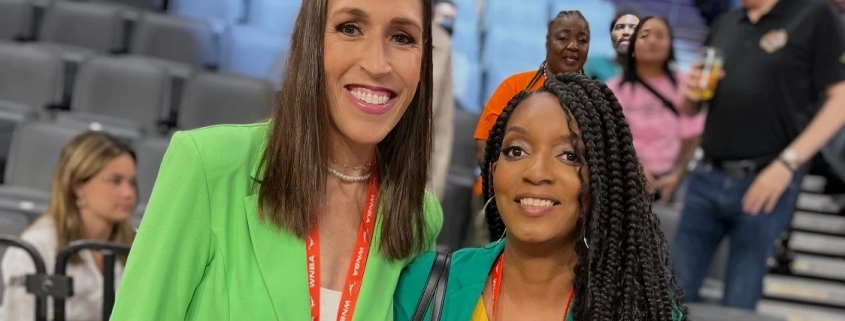
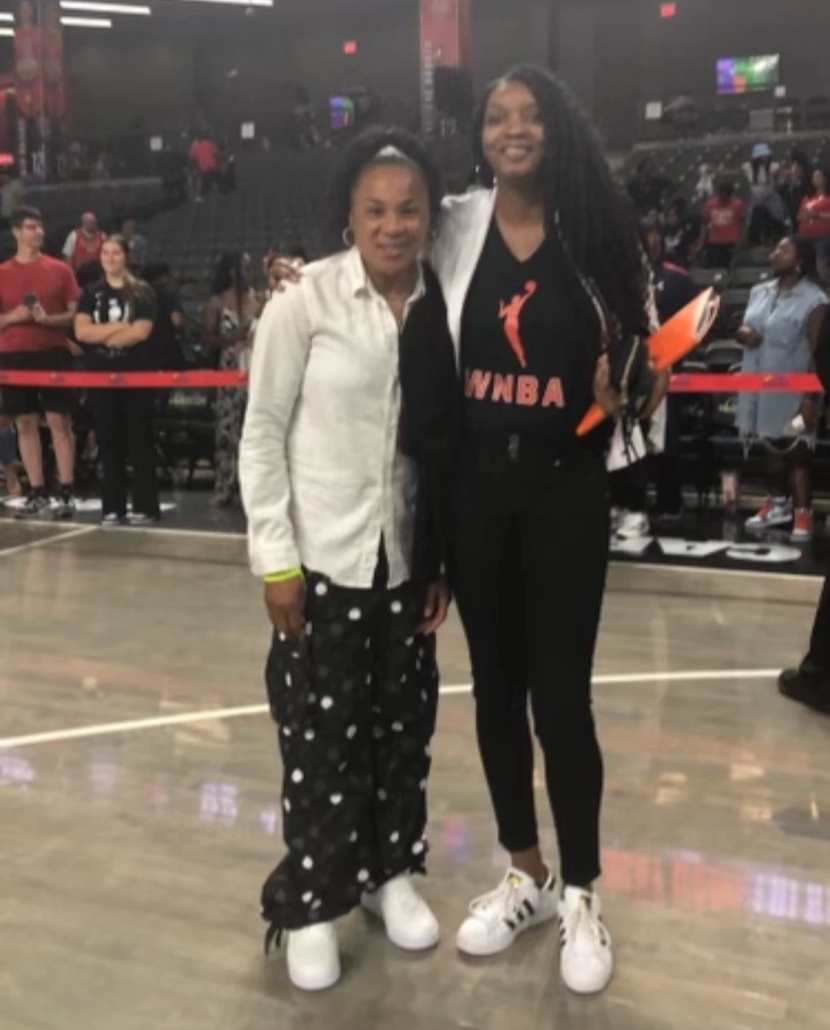
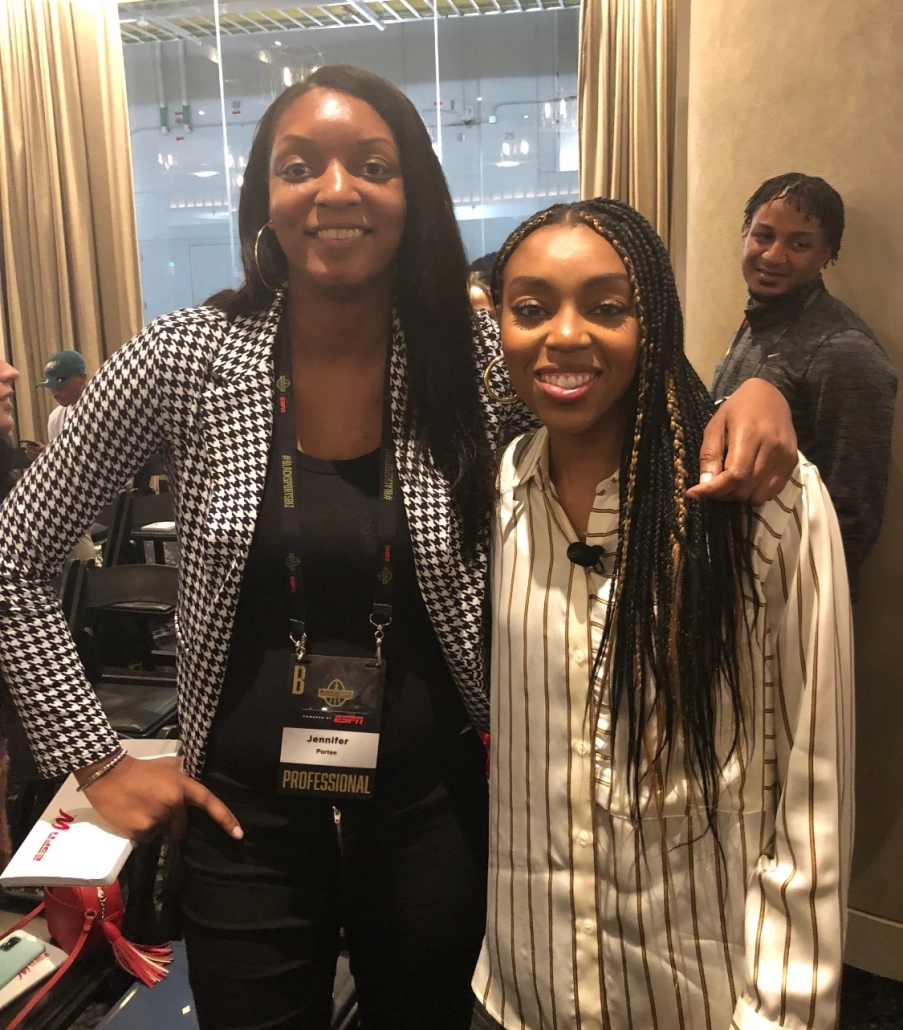
At CSB Media Arts Center, we take pride in seeing our graduates thrive in the media industry. One such success story is Jennifer Portee, a former student who has turned her passion for sports into a thriving career in sportscasting.

From CSB Classroom to the Sidelines

Jennifer’s journey into sports broadcasting began when she enrolled at CSB Media Arts Center, determined to break into the competitive world of sports journalism. With hands-on training and real-world experience provided by CSB, she honed her skills in on-camera reporting, play-by-play commentary, and sports analysis. Unlike traditional college programs, CSB’s skills-focused curriculum allowed her to gain industry experience in months rather than years.

Breaking Into the Industry

After graduating, Jennifer wasted no time in making her mark. She started her career covering local high school and college sports, quickly earning a reputation for her insightful analysis and engaging presence on camera. Her ability to break down complex plays and deliver compelling game-day coverage caught the attention of industry professionals.

Climbing the Ranks in Sportscasting

Jennifer’s dedication and talent have led her to cover major sporting events, interview top athletes, and work with respected sports networks. She has served as a sideline reporter, studio host, and play-by-play announcer, showcasing her versatility across different roles in the industry. Her knowledge, charisma, and passion for sports have set her apart in a field that demands both expertise and personality.

A Role Model for Aspiring Broadcasters

Jennifer’s story is an inspiration to aspiring sportscasters who want to turn their love for sports into a career. She exemplifies how hard work, hands-on training, and the right opportunities can lead to success in a competitive industry. Her journey is proof that with the right education and determination, breaking into the sportscasting world is within reach.

Start Your Sportscasting Journey at CSB

If Jennifer’s success story resonates with you or someone you know, CSB Media Arts Center can provide the training and mentorship needed to launch a career in sportscasting. With expert instructors, hands-on experience, and connections in the industry, our programs are designed to get you career-ready in months, not years.

Jennifer Portee is just one of many CSB graduates making an impact in the media world. Are you ready to follow in her footsteps? Learn more about our programs today and start your journey toward a future in sports broadcasting!

youtube channel

There are now billions of hours of footage on YouTube from millions of different creators, all of them wanting their voice to be heard and content to be seen. The question many new creators ask is “Should I start producing original content for YouTube?”.

Whenever you decide to pursue a creative career on the digital landscape, there are a few questions you need to ask yourself.

Read more